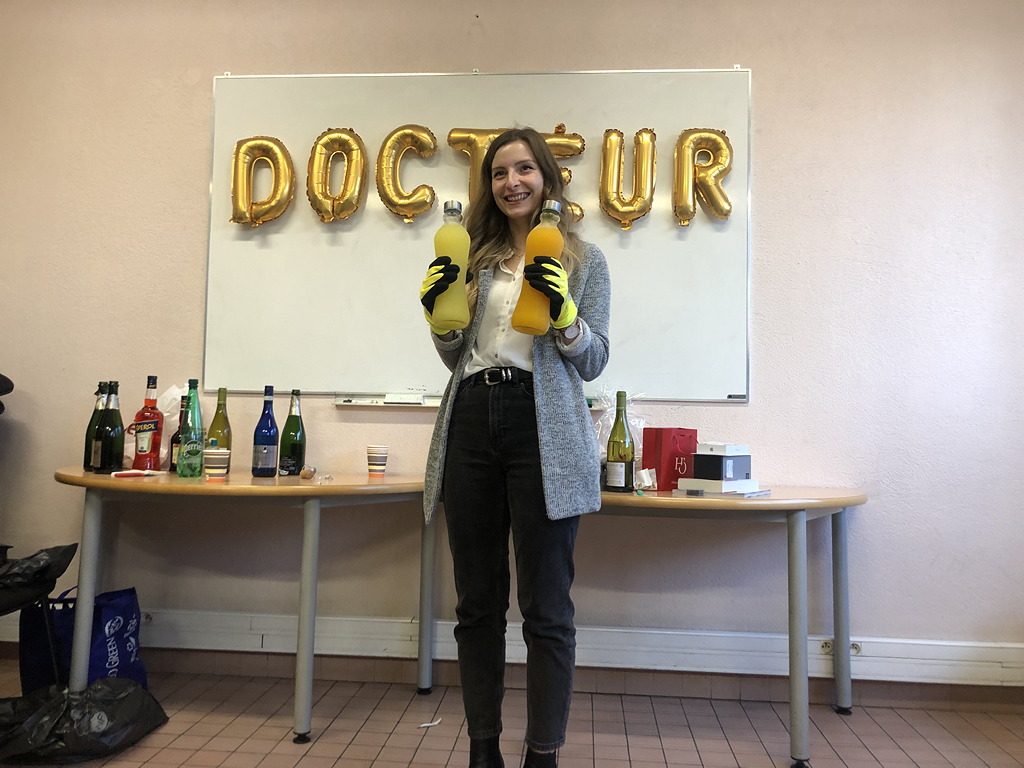
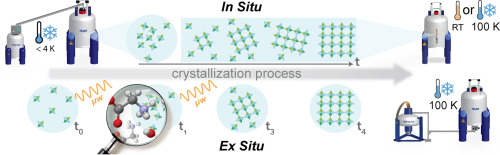
Gihane participated to the NMR training in Lille

July 2026

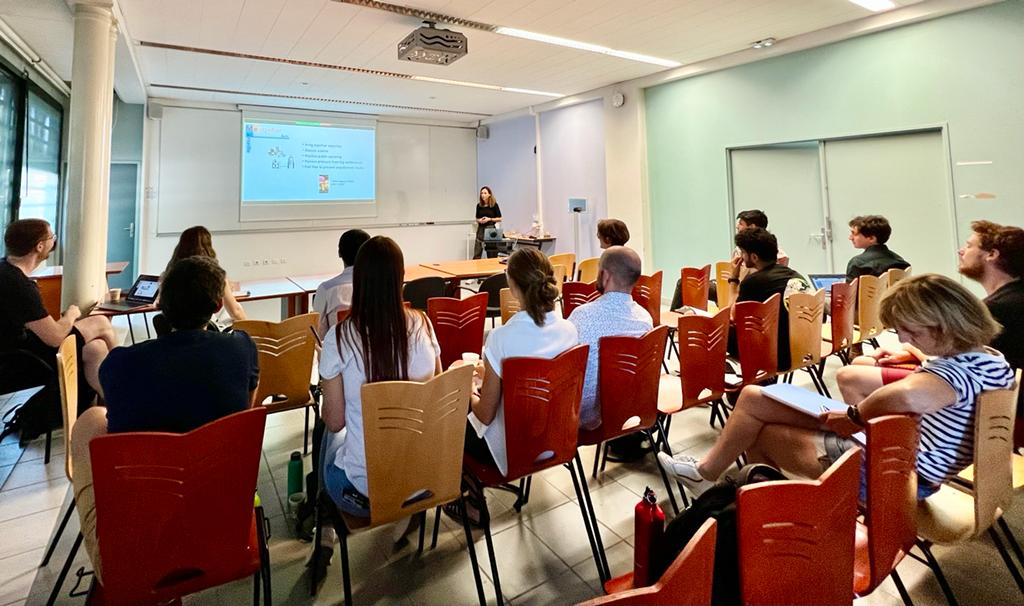
Gihane attended the "Formation pratique RMN liquide et solide" organized by the Pole RMN of the Institut Chevreul in Villeneuve d'Ascq, a great way to learn from the best 🙂

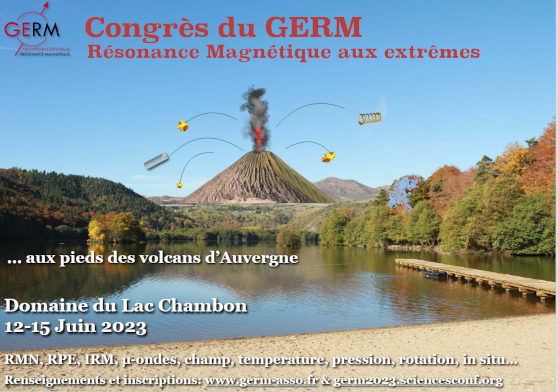
Giulia and Johanna attended the GERM conference in Lille

June 2026

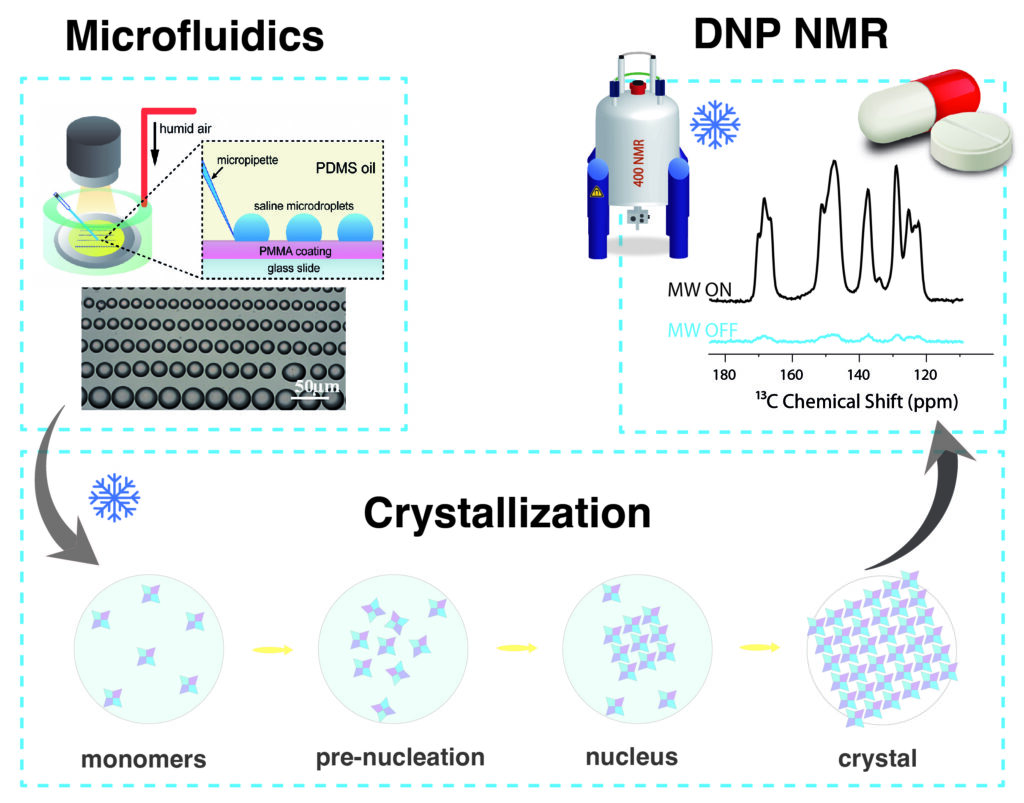
Giulia and Johanna attended the France-Benelux joint conference organized in Lille. Bravo Johanna for the excellent talk "DNP NMR for probing crystallization of organic pharmaceutical compounds in confinement: the case of nicotinamide"! Thank you to the GERM for a wonderful organization.

Elodie Salager visited the lab

May 2026

Dr Elodie Salager from the CEMHTI in Orléans visited the lab after giving an excellent talk "Devices for electrochemical energy storage" as a part of the seminar series organized by the FSCM. Thank you Elodie 🙂

Johanna won the best talk award at the JGS RMN in Bordeaux!

May 2026

Johanna attended the Journée Grand Sud RMN in Bordeaux, where she gave the talk: "Hydrophilic polymer-based polarizing matrices for trapping and characterizing metastable pharmaceutical species by DNP NMR". She was awarded the best talk prize!! Bravo!

Giulia and Johanna attended the ACS spring meeting

March 2026

During the Symposium "SynergizingCrystallography andSpectroscopy: From Orderto Dynamics" organized by the Professors Pance Naumov, Asif Equbal and Brijit Yhomas of the NYU in Abu Dhabi, Giulia gave an invited talk "Crystallization of polymorphic solids in confinement studied by hyperpolarized solid-state NMR and microfluidics" at the ACS Virtual Spring Meeting, and Johanna gave a short talk "Hydrophilic polymer-based polarizing matrices: A new system for investigating the crystallization of pharmaceutical compounds by DNP NMR".

Marco Geppi visited the lab

March 2026

Pr. Marco Geppi from the University of Pisa visited the lab and was our invited speaker at the annual MoMa meeting organized between our group and the group of Danielle Laurencin at the Institut Charles Gerhardt in Montpellier. He gave an excellent talk on "NMR and NQR of functional materials for environmental, energy, and optoelectronic technologies". We had a very exciting couple of days!

New paper from the group

February 2026

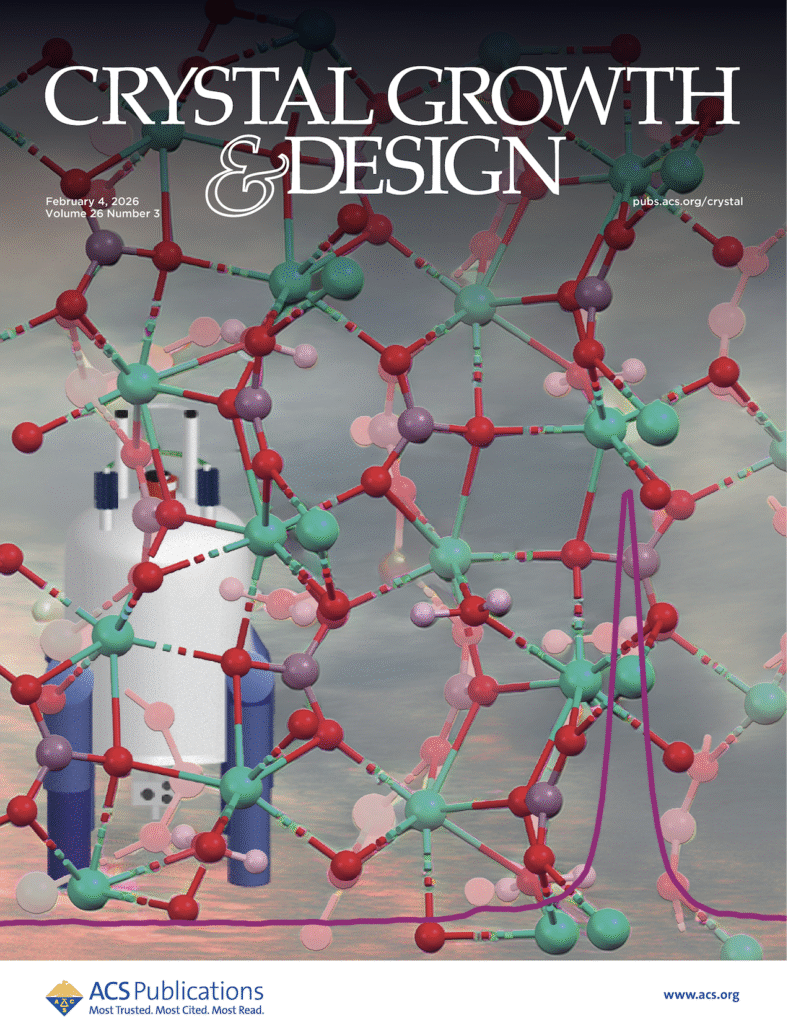
New paper out on Crystal Growth & Des. where we discuss the structural properties of calcium carbonate hemihydrate, a very difficult polymorph to observe, using a combination of DFT calculations and solid-state NMR spectroscopic methods. The paper was chosen to be featured on the journal cover!

New Insights into the Structural Properties of Calcium Carbonate Hemihydrate by NMR Crystallography (cover article)
Romain Chèvre, Colan E. Hughes, Samuel F. Cousin, Marie Juramy, Fabio Ziarelli, Stéphane Viel, Kenneth D. M. Harris, Giulia Mollica,* and Pierre Thureau
Crystal Growth & Design, 26 1291–1300 (2026) 
New Insights into the Structural Properties of Calcium Carbonate Hemihydrate by NMR Crystallography (cover article)
While calcium carbonate is well known to exist in a range of different crystalline forms, including anhydrous polymorphs and hydrated phases, a new crystalline formcalcium carbonate hemihydrate (CCHH)was reported in 2019 and has recently been observed in a biogenic material. The crystal structure of CCHH reported from diffraction studies is monoclinic, although a subsequent computational investigation suggested that an orthorhombic description of the structure may be more appropriate. Herein, we report experimental solid-state NMR characterization of CCHH, focused on solid-state 1H NMR and 13C NMR measurements, including analysis of 1H–13C heteronuclear correlation spectroscopy (HETCOR) and 13C chemical shift anisotropy (CSA) data, which reveals further insights into the structural and symmetry properties of this material. We demonstrate by means of DFT-GIPAW calculations that the monoclinic and orthorhombic descriptions of the crystal structure of CCHH are readily distinguishable on the basis of solid-state 1H and 13C NMR data. Our experimental solid-state NMR measurements are shown to support the orthorhombic description of the crystal structure rather than the monoclinic description.

Céline attended the 6th Chino-French Symposium on solid-state NMR for materials chemistry in Wuhan

November 2025

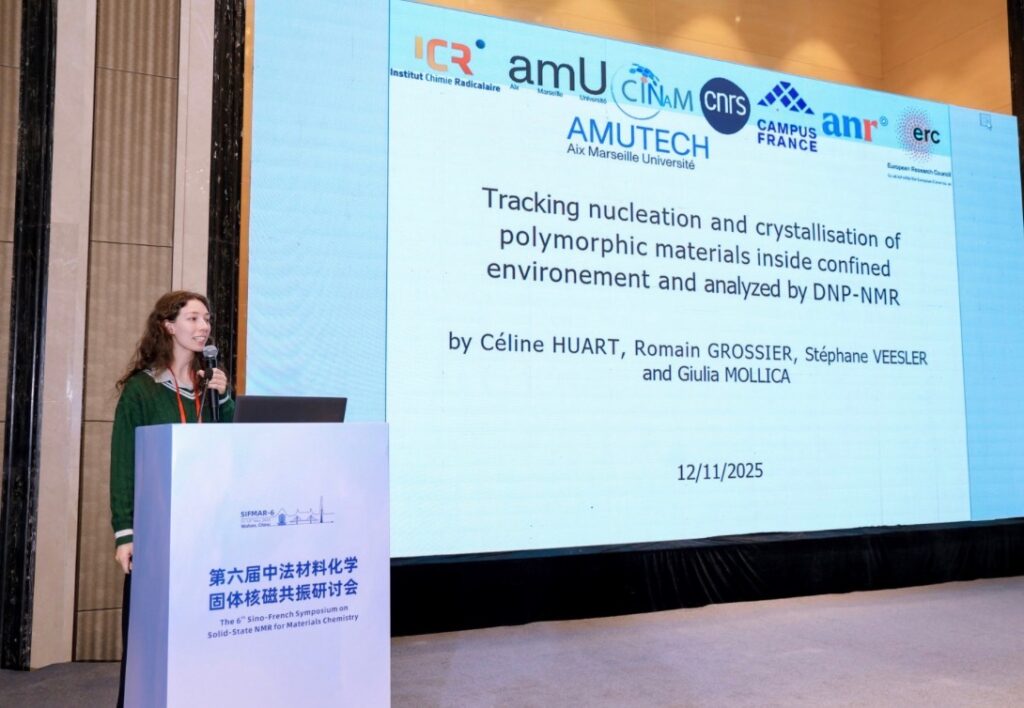
Céline gave a talk at the Chino-French Symposium on solid-state NMR for materials chemistry in Wuhan, and could visit the University NMR labs. A great experience!

Welcome Arianna !

September 2025

Arianna Ghelardi, PhD candidate in the group of prof. Marco Geppi at the University of Pisa will join our group for 3 months. She will use MAS DNP to characterize cocrystalline pharmaceutical formulations. Welcome!

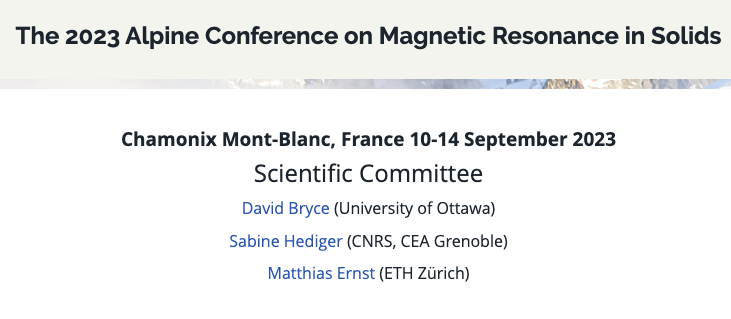
Giulia and Céline attended the Alpine Conference in Chamonix

September 2025

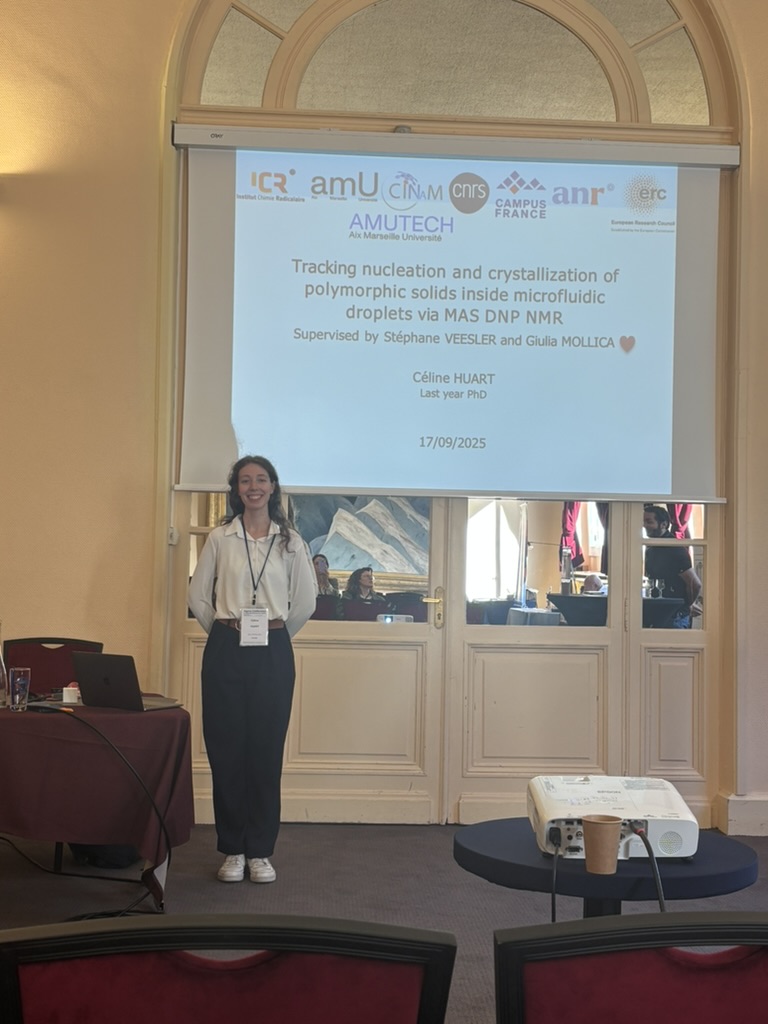
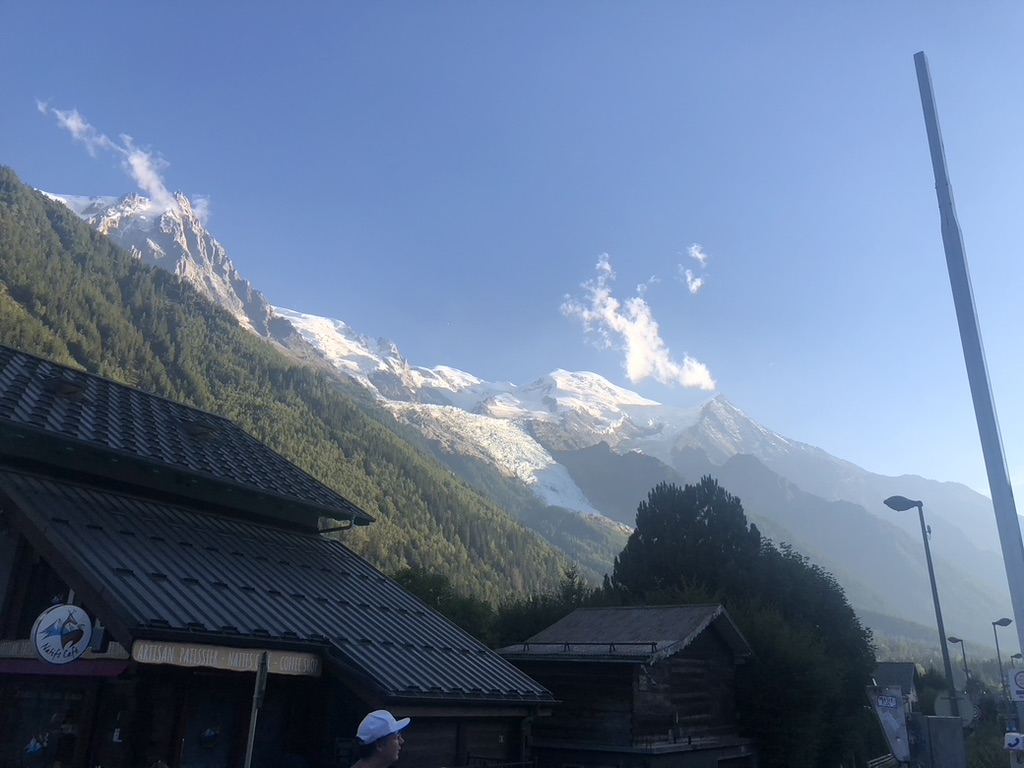
Giulia and Céline attended the Alpine Conference, where they gave two round tables on the investigation of crystallization in confinement using MAS DNP. They also attended the preconference tutorials on Sunday morning. It was a wonderful week of exciting science in a magnificent environment. So inspiring! This was also the first edition of the conference with Giulia as a chair of the organizing committee.

New paper out!

July 2025

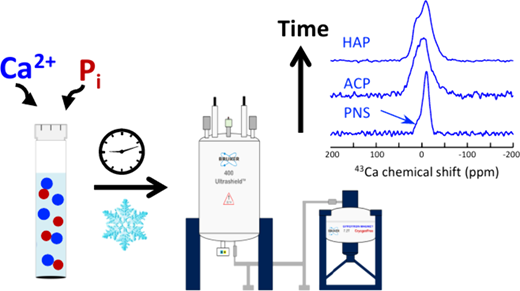
New article in collaboration with the group of Thierry Azaïs in Paris: we show how 43Ca MAS DNP spectroscopy can help reveal the formation of transient phases of calcium phosphate along the pathway to the formation of hydroxyapatite.

43Ca Freeze-Quenched MAS-DNP for the Characterization of Transient Phases Involved in Nonclassical Formation of Hydroxyapatite
Tristan Georges, Romain Chèvre, Jean-Michel Guigner, Samuel F. Cousin, Pierre Thureau, Giulia Mollica, and Thierry Azaïs
Analytical Chemistry, 97 15826–15834 (2025) 

43Ca Freeze-Quenched MAS-DNP for the Characterization of Transient Phases Involved in Nonclassical Formation of Hydroxyapatite

Calcium orthophosphates, such as hydroxyapatite (HAP), have been shown to follow nonclassical nucleation and crystallization mechanisms involving intermediate species, including solute prenucleation species (PNS) that precede solid transient phases. Characterizing these transient soluble and solid phases in situ remains a challenge due to their short-lived nature. In this study, we combine 43Ca isotopic enrichment with dynamic nuclear polarization (MAS-DNP) under cryogenic conditions to enhance 43Ca sensitivity and capture transient calcium species in their native state in the course of HAP formation. Fine calibration of the Hartmann–Hahn cross-polarization conditions (low vs high radio frequency powers) enables us to distinguish different calcium-based phases based on the strength of their 43Ca quadrupolar couplings. Hence, we can record the 43Ca NMR fingerprint of submillimolar concentrations of PNS and two-dimensional 1H–43Ca correlation NMR spectra of calcium phosphate solid phases can be recorded within hours. Thanks to this 2D analysis, the first nucleating solid phase is identified as an amorphous calcium phosphate (ACP) rich in acidic orthophosphate ions and water molecules. Moreover, the core-layer organization of the final HAP phase is also evidenced allowing to distinguish the 43Ca spectral fingerprints of the crystalline hydroxyapatite core from the amorphous hydrated layer. This work demonstrates the potential of 43Ca MAS-DNP for characterizing the complex nucleation and growth mechanisms of calcium-containing materials, thus, offering new opportunities for studying similar systems in environmental and biological contexts.

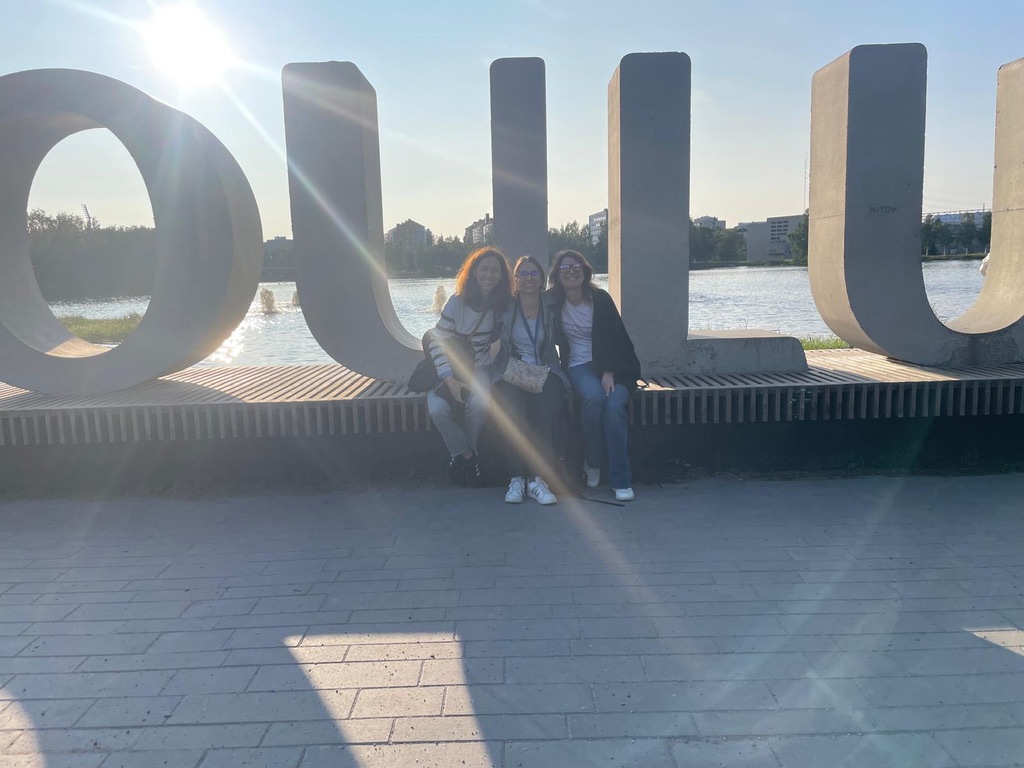
Giulia and Pierre attended the Euromar conference in Oulu

July 2025

Giulia gave a talk "Hyperpolarising porous polymer matrices for MAS DNP" and Pierre presented a poster. A very vibrant scientific week in a wonderful location.

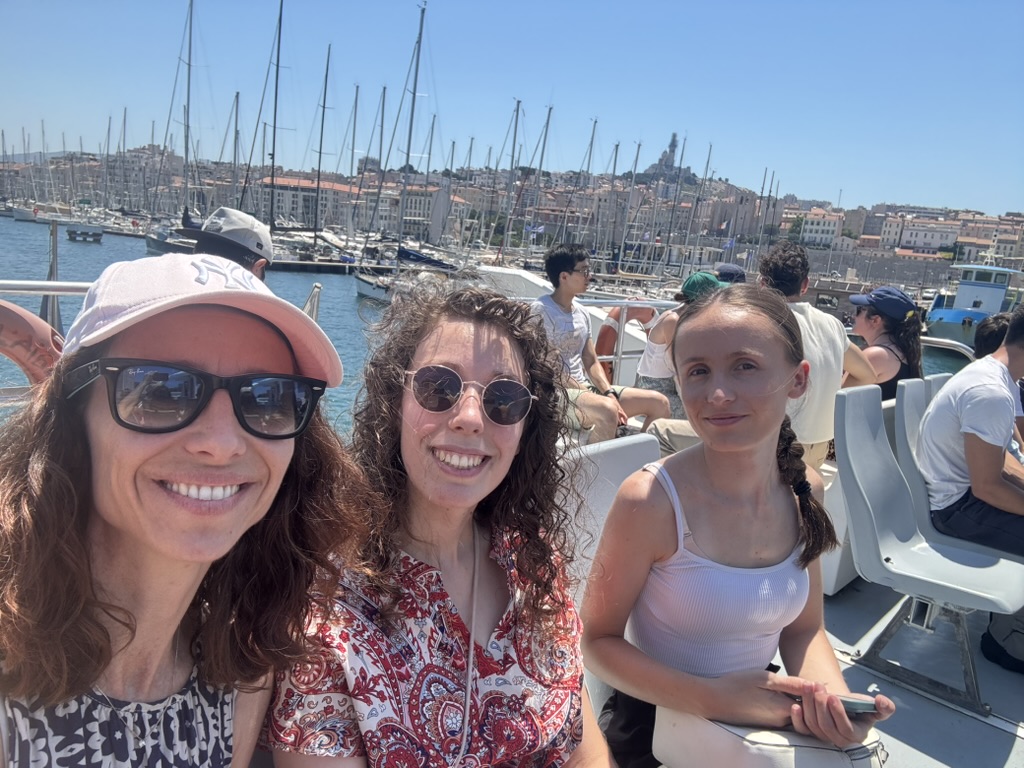
Céline won the best oral presentation during the ICR scientific day

July 2025

Bravo Céline for an excellent talk on her PhD thesis results! And thank you to the ICR for organizing this beautiful and fun day at the Iles du Frioul.

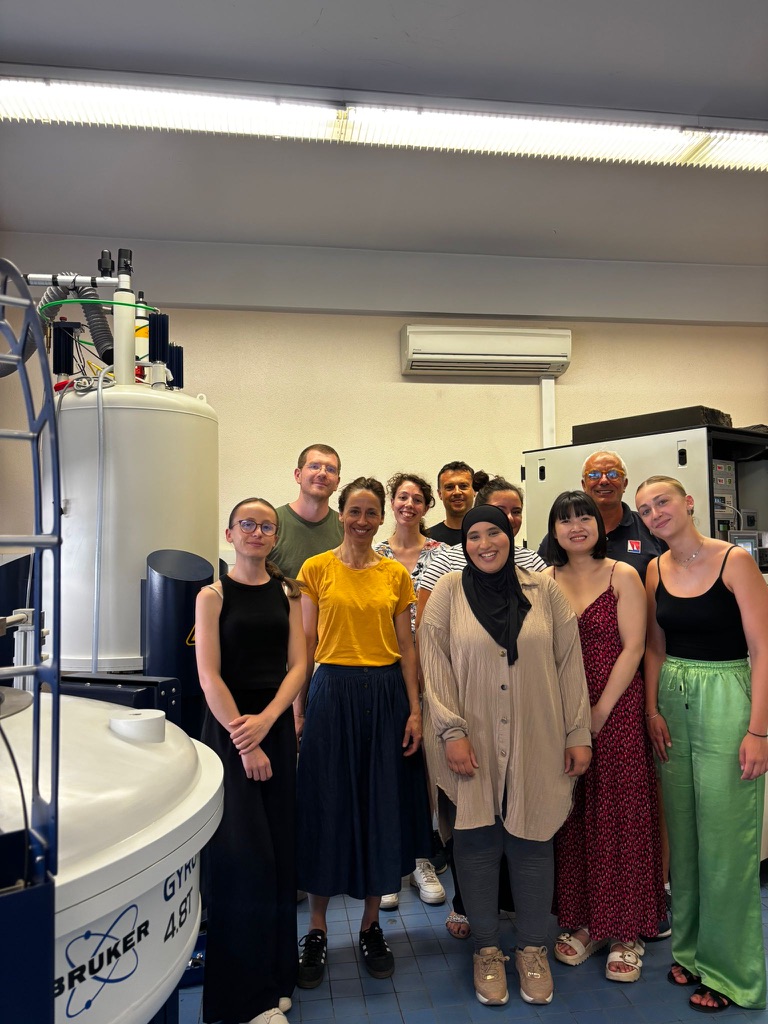
New group picture

July 2025

From left to right : Johanna Guazzelli, Samuel Cousin, Giulia Mollica, Céline Huart, Pierre Thureau, Romane Canovas, Gihane El Khiri, Minh Tu Ly, Fabio Ziarelli and Léa.

Gihane secured an Inter-ED PhD grant !

June 2025

Congratulations to Gihane, who has been awarded a highly competitive InterED PhD fellowship. She will join our group in October 2025 to work on a PhD project investigating the effects of electric fields on crystallization under confinement by combining microfluidics and DNP-enhanced NMR. This project will be carried out under the joint supervision of Dr Giulia Mollica (ICR) and Dr. Stéphane Veesler (CINaM lab, Marseille).

New paper out!

June 2025

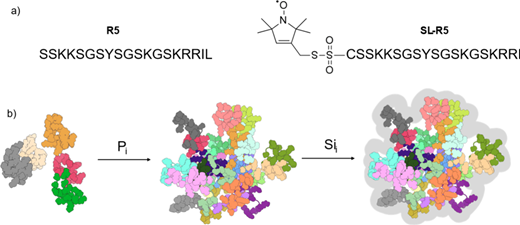
New paper in collaboration with the group of Dennis Kurzbach at the University of Vienna: we show how, using a combination of magnetic resonance approaches including EPR, liquid NMR and MAS DNP, we reveal the existence of R5 peptides domains with different dynamic properties in biomimetic silica-peptides nanocapsules.

R5 Peptides constitute condensed phases with liquid-like properties in biomimetic silica capsules
Dörte Brandis, Giulia Mollica, and Dennis Kurzbach
Journal of Physical Chemistry Letters, 16 4326-4335 (2025) 

R5 Peptides constitute condensed phases with liquid-like properties in biomimetic silica capsules

Biomimetic silica-peptide nanocomposites are promising materials for applications in drug delivery and enzyme encapsulation due to their biocompatibility, tunable morphologies, and unique structural characteristics. However, the structural dynamics of the peptide scaffold remain largely elusive, impeding rational biomimetic materials design. This shortcoming is not the least due to a lack of methods that can access such heterogeneous systems with dynamics on a wide range of time scales. Among the most studied candidates are silica particles templated by the diatom-derived peptide R5, known for its ability to guide silica precipitation under mild, toxicologically friendly conditions, leading to silica capsules filled with a peptide scaffold. Here, we describe the structural dynamics of R5 within its self-assemblies and the silica particles it templates with a combination of advanced magnetic resonance methods, including 13C-direct detected NMR, site-directive spin-labeling EPR, and sensitivity-enhanced solid-state NMR. We provide evidence that R5 self-assemblies form condensed phases with liquid-like dynamics both before and after silica encapsulation. Our suite of methods allowed us to access R5/silica composites over a comprehensive range of time scales. These results demonstrate that R5 retains a remarkable degree of internal dynamics, with distinct regions of solid-like and liquid-like behavior even within the silica particles. Specifically, the peptide scaffold comprises three dynamic species: (i) solid-like at the peptide-silica interface, (ii) liquid-like mobility within the scaffold core, and (iii) intermediate dynamics at the boundary regions between core and interface species. Our findings rationalize the high mobility of guest molecules, such as drugs or enzyme substrates, within R5-silica nanoparticles, which is crucial for their functionality in controlled release and catalytic applications. This understanding paves the way for improved rational design considerations for advanced nanomaterials and expands our knowledge of biomimetic mineralization mechanisms. At the same time, the methodological approach can be useful for many types of peptide-guided biominerals, bridging fundamental biochemistry with biotechnological innovation.

Stan Von Euw visited the lab

May 2025

In the framework of a recently funded PHC ULYSSES exchange project, Prof. Stan Von Euw visited the lab and gave an excellent talk "Formation of Biominerals: What is Biological and what is Physicochemical?". Thank you Stan!

New book chapter

April 2025

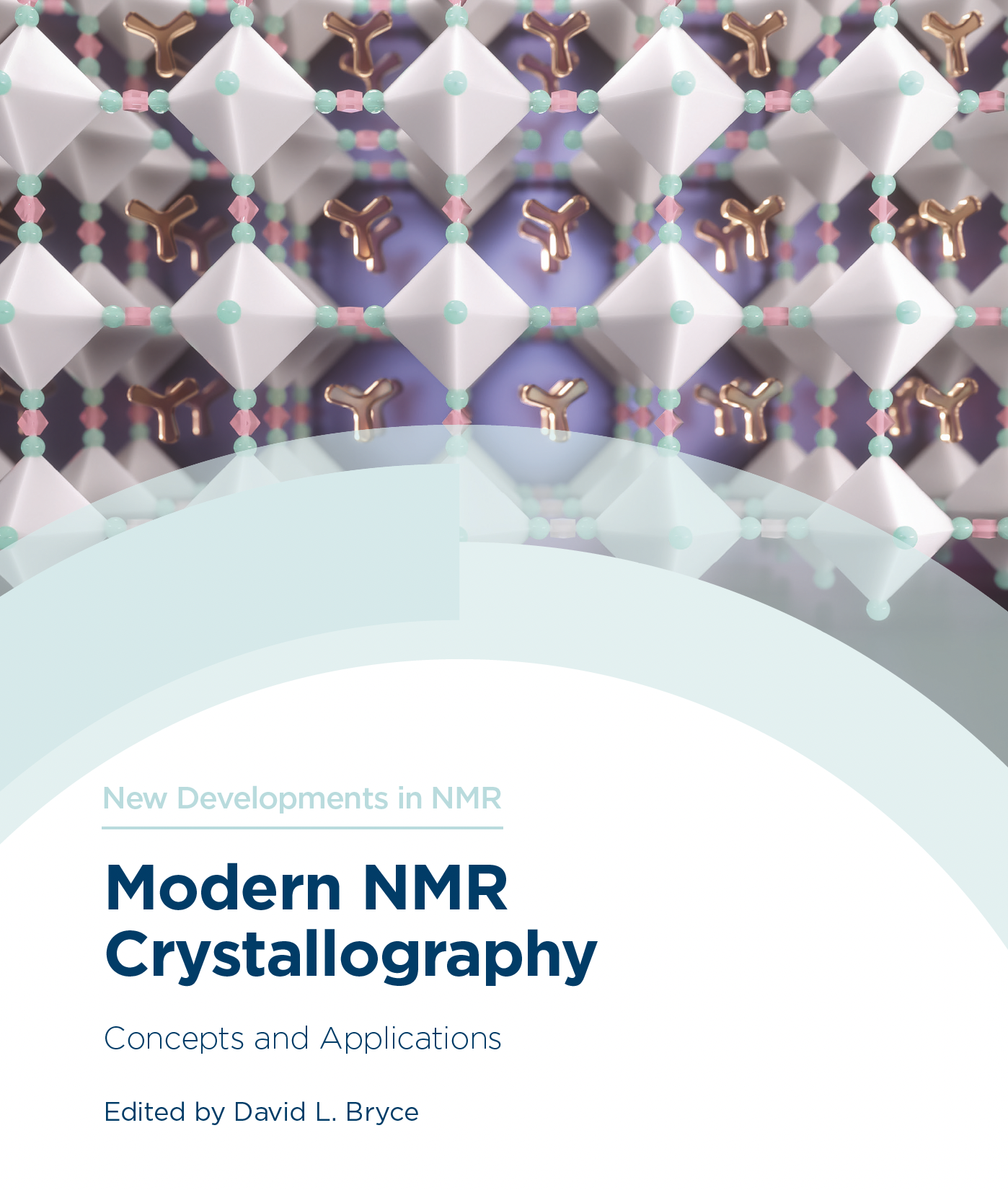
We recently published a new book chapter on Applications of MAS DNP to NMR Crystallography of Bulk Molecular Materials. The chapter is part of the book Modern NMR Crystallography, edited by D. L. Bryce. This volume is the second edition of the landmark book originally published in 2009 and edited by R. K. Harris.

Book Chapter: Applications of MAS DNP to NMR Crystallography of Bulk Molecular Solids
Giulia Mollica*
in: "Modern NMR Crystallography", Ed: D.L. Bryce, RSC, 36 632-671 (2025) 

Book Chapter: Applications of MAS DNP to NMR Crystallography of Bulk Molecular Solids

In this chapter, we discuss recent applications of NMR crystallography in bulk organic molecular solids enabled by the sensitivity enhancement offered by MAS DNP. We draw upon examples from recent literature to illustrate how MAS DNP has significantly expanded the scope of NMR crystallography of organic molecular solids at natural isotopic abundance by clearing several longstanding bottlenecks caused by the low sensitivity of NMR. Specifically, for samples at natural isotopic abundance, we discuss how MAS DNP enabled: the detection of low-receptivity nuclei within the bulk of organic solids; the observation of spectral correlations between sparsely distributed spins; the investigation of the morphology of multi-domain solid particles on the nm- to µm-scale; the detection and characterization of structural changes in samples that evolve over time. For each of these advancements, we present and discuss a curated selection of applications where the contribution of DNP proved to be essential.

Giulia and Céline visited Stan Von Euw's lab in Galway

April 2025

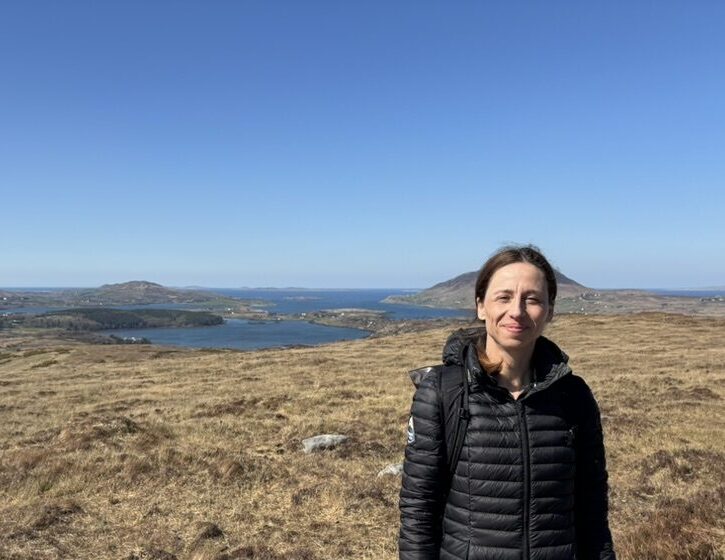
In the framework of a recently funded PHC ULYSSES exchange project, Giulia and Céline visited Prof. Stan Von Euw's lab at the University of Galway. Giulia gave a talk to the department, Céline learned some lab work on corals to produce biomimetic materials, and they visited the magnificent Connemara. Thank you Stan, Sudeshna and Roisin for a wonderful week!

Welcome to the group Gihane!

February 2025

Gihane will join the group for 6 months on a M2 internship to work on the investigation of crystallization processes in pharmaceutical compounds using a combination of MAS DNP and microfluidics. In collaboration with the group of S. Veesler at the CINaM lab in Marseille.

PHC ULYSSES grant awarded!

October 2024

Giulia was awarded a PHC ULYSSES grant to support a collaborative research project with Prof. Stanislas Von Euw (University of Galway) on the synthesis and characterization of bone-mimetic composite materials.

Giulia attended the 8th SMARTER conference and PANACEA meeting in Aveiro

September 2024

Giulia attended the SMARTER conference in Aveiro where she gave a talk "Crystallization in confinement studied by solid-state NMR and MAS DNP". She also gave an invited talk during the PANACEA meeting to provide her perspective as a spectroscopist on the use of solid-state NMR for pharmaceutical research.

Giulia gave an invited talk at the FGMR meeting in Rostock

September 2024

At the 45th Annual Discussion Meeting and Joint Conference of the German, Danish, Polish, and Swedish Magnetic Resonance Communities 2024 Giulia gave the invited talk: "Crystallization in confinement studied by solid-state NMR and MAS DNP". A wonderful conference for a wonderful 4 days of science.

New paper from the group

July 2024

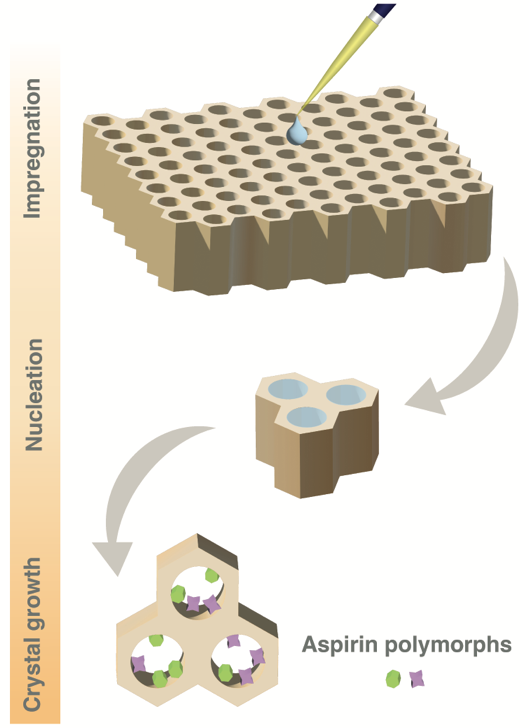
We show that confinement can stabilise metastable polymorphs of Aspirin that can be revealed with the help of solid state NMR.

Exploring the crystallisation of aspirin in a confined porous material using solid-state nuclear magnetic resonance
Marie Juramy, Eric Besson, Stephane Gastaldi, Fabio Ziarelli, Stéphane Viel, Giulia Mollica and Pierre Thureau
Faraday Discussions, accepted (2024) 

Exploring the crystallisation of aspirin in a confined porous material using solid-state nuclear magnetic resonance

In this study, nuclear magnetic resonance (NMR) is used to investigate the crystallisation behaviour of aspirin within a mesoporous SBA-15 silica material. The potential of dynamic nuclear polarisation (DNP) experiments is also investigated using specifically designed porous materials that incorporate polarising agents within their walls. The formation of the metastable crystalline form II is observed when crystallisation occurs within the pores of the mesoporous structure. Conversely, bulk crystallisation yields the most stable form, namely form I, of aspirin. Remarkably, the metastable form II remains trapped within the pores of mesoporous SBA-15 silica material even 30 days after impregnation, underscoring its persistent stability within this confined environment.

New ANR funded PRC projet!

July 2024

The PRC project MICRONMR (PI: Giulia Mollica) was selected by ANR for funding! This will support the group research on the investigation of the mechanisms of crystallization of polymorphc organic solids from solution in confined environments constituted by microfluidics droplets or porous matrices. Coordinated by Giulia (ICR), the project involves three other partners from ICR, CINaM and FSCM labs in Marseille.

Johanna successfully passed her PhD examination!

July 2024

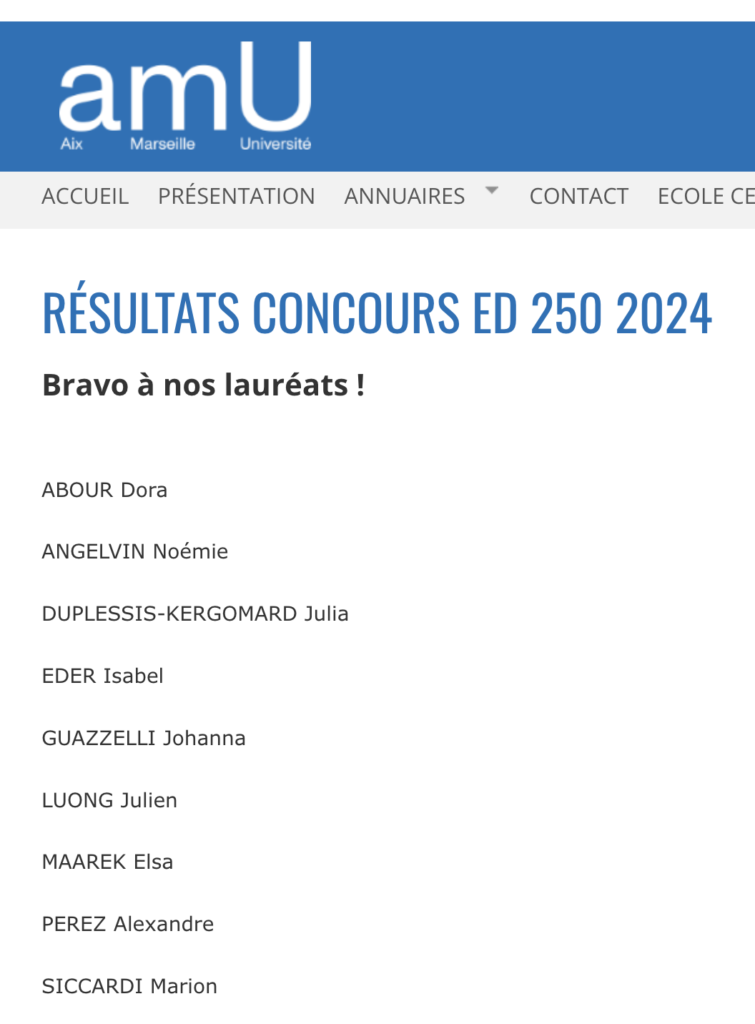
Bravo to Johanna, who brilliantly passed the examination to access the Chemical Science Doctoral School of Aix Marseille University (ED250). She will start her project on the study of confined crystallization in porous matrices in October 2024.

Céline and Minh Tu attended the PANACEA school on Solid State NMR in Venice

June 2024

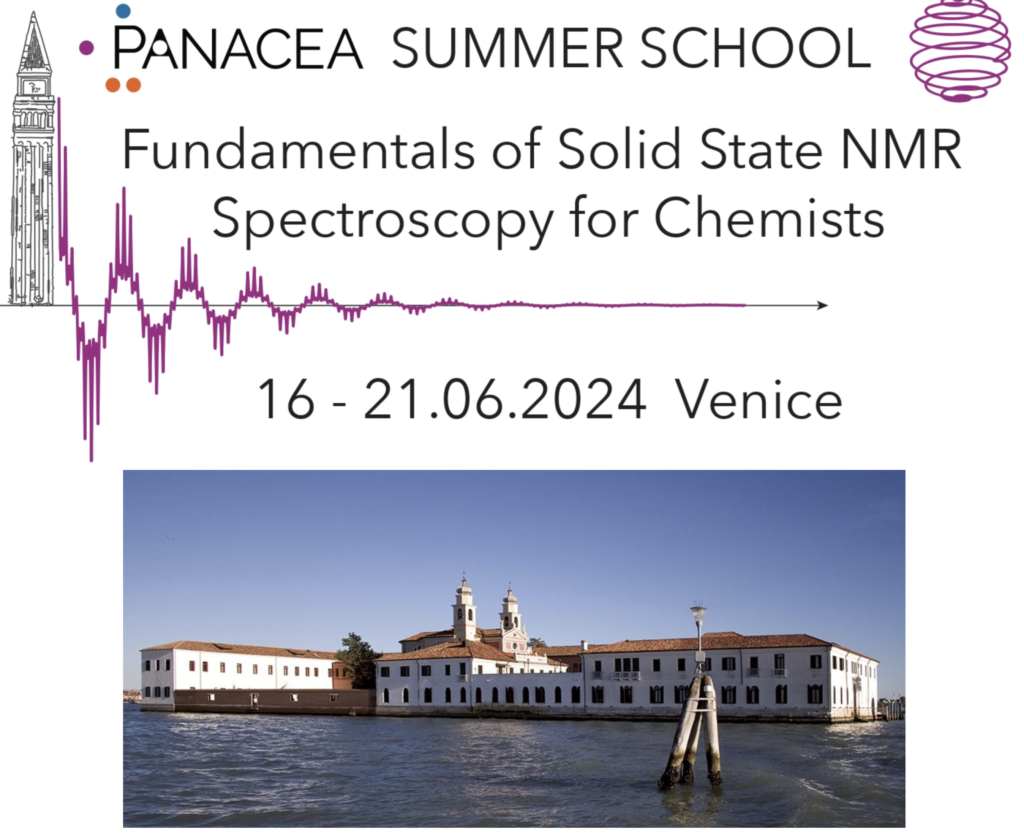
Céline and Minh Tu attended the PANACEA school on Solid State NMR in Venice. A wonderful location and organization, and very intense learning for a week full of NMR. Best way to set strong NMR foundations for the rest of their PhD.

04/24 Giulia attended the ENC2024 in Asilomar

April 2024

Giulia gave an invited oral presentation to the ENC 2024, where she presented recent approaches to investigate metastable forms using solid state NMR and DNP

Exposition la Science Taille XXElles

March 2024

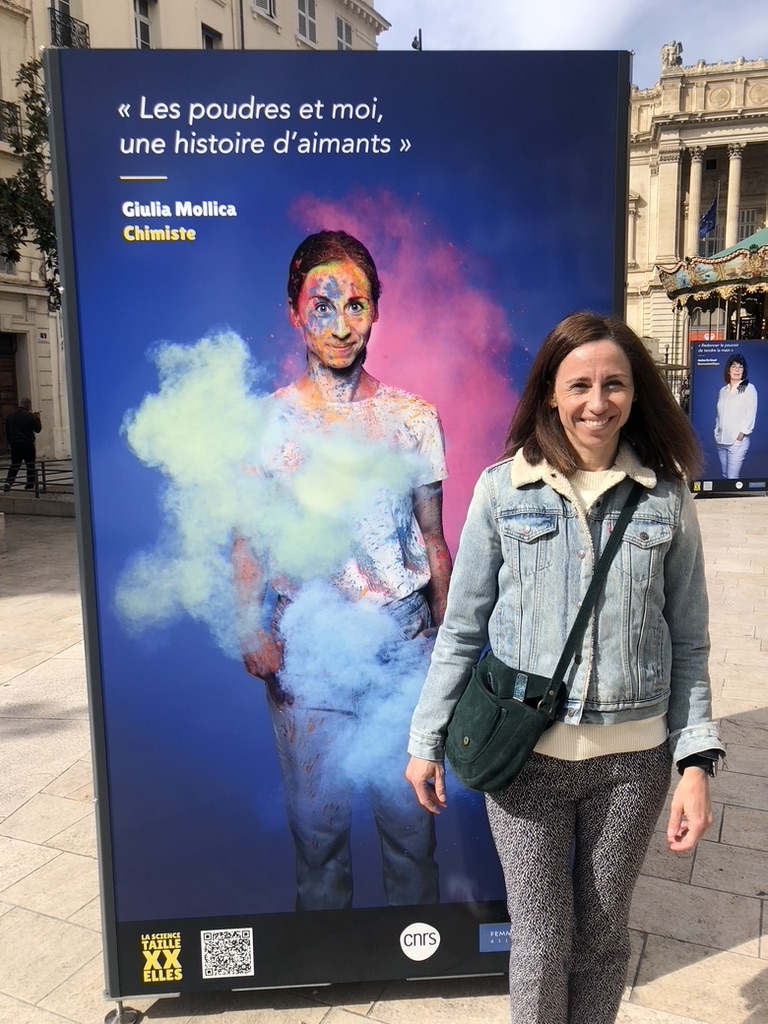
After almost two years of preparation by the CNRS and the association Femmes et Sciences, the photographic exhibition of "la Science Taille XXElles" finally opened to the public. The fantastic pictures taken by Vincent Moncorgé for this beautiful project are exposed in Marseille city center for a month. A beautiful and funny way to celebrate and promote the role of women in science, hoping this will be of inspiration to the young generation.

15/02/2024Visit to University of Abu Dhabi

February 2024

Giulia was invited by Prof. Brijith Thomas to give a seminar to the Chemistry department of the New York University in Adu Dhabi. A day full of discussion, but we managed to find a little time to visit a little bit. Thank you Brijith for this fantastic hospitality!

New paper from the group

January 2024

New paper out! Nice example of how DNP can help investigating frozen solution of Ca ions. Nice collaboration with the group of T. Azais at Sorbonne University.

43Ca MAS-DNP NMR of Frozen Solutions for the Investigation of Calcium Ion Complexation
Tristan Georges, Romain Chèvre, Samuel F. Cousin, Christel Gervais, Pierre Thureau, Giulia Mollica*, and Thierry Azaïs*
ACS Omega, 9 4881-4891 (2024) 

43Ca MAS-DNP NMR of Frozen Solutions for the Investigation of Calcium Ion Complexation

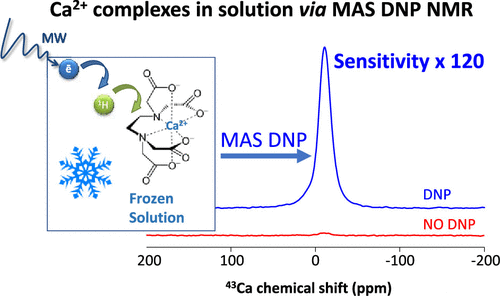
Calcium ion complexation in aqueous solutions is of paramount importance in biology as it is related to cell signaling, muscle contraction, or biomineralization. However, Ca2+-complexes are dynamic soluble entities challenging to describe at the molecular level. Nuclear magnetic resonance appears as a method of choice to probe Ca2+-complexes. However, 43Ca NMR exhibits severe limitations arising from the low natural abundance coupled to the low gyromagnetic ratio and the quadrupolar nature of 43Ca, which overall make it a very unreceptive nucleus. Here, we show that 43Ca dynamic nuclear polarization (DNP) NMR of 43Ca-labeled frozen solutions is an efficient approach to enhance the NMR receptivity of 43Ca and to obtain structural insights about calcium ions complexed with representative ligands including water molecules, ethylenediaminetetraacetic acid (EDTA), and l-aspartic acid (l-Asp). In these conditions and in combination with numerical simulations and calculations, we show that 43Ca nuclei belonging to Ca2+ complexed to the investigated ligands exhibit rather low quadrupolar couplings (with CQ typically ranging from 0.6 to 1 MHz) due to high symmetrical environments and potential residual dynamics in vitrified solutions at a temperature of 100 K. As a consequence, when 1H→43Ca cross-polarization (CP) is used to observe 43Ca central transition, “high-power” νRF(43Ca) conditions, typically used to detect spin 1/2 nuclei, provide ∼120 times larger sensitivity than “low-power” conditions usually employed for detection of quadrupolar nuclei. These “high-power” CPMAS conditions allow two-dimensional (2D) 1H–43Ca HetCor spectra to be readily recorded, highlighting various Ca2+–ligand interactions in solution. This significant increase in 43Ca NMR sensitivity results from the combination of distinct advantages: (i) an efficient 1H-mediated polarization transfer from DNP, resembling the case of low-natural-abundance spin 1/2 nuclei, (ii) a reduced dynamics, allowing the use of CP as a sensitivity enhancement technique, and (iii) the presence of a relatively highly symmetrical Ca environment, which, combined to residual dynamics, leads to the averaging of the quadrupolar interaction and hence to efficient high-power CP conditions. Interestingly, these results indicate that the use of high-power CP conditions is an effective way of selecting symmetrical and/or dynamic 43Ca environments of calcium-containing frozen solution, capable of filtering out more rigid and/or anisotropic 43Ca sites characterized by larger quadrupolar constants. This approach could open the way to the atomic-level investigation of calcium environments in more complex, heterogeneous frozen solutions, such as those encountered at the early stages of calcium phosphate or calcium carbonate biomineralization events.

New paper from the group

December 2023

Congratulations to Nghia for his new paper!

A facile approach for estimating radio-frequency field strength of low-receptivity nuclei
Nghia Tuan Duong, Stéphane Viel, Fabio Ziarelli, Pierre Thureau, Giulia Mollica
J. Magn. Reson., 358 107614 (2024) 

A facile approach for estimating radio-frequency field strength of low-receptivity nuclei

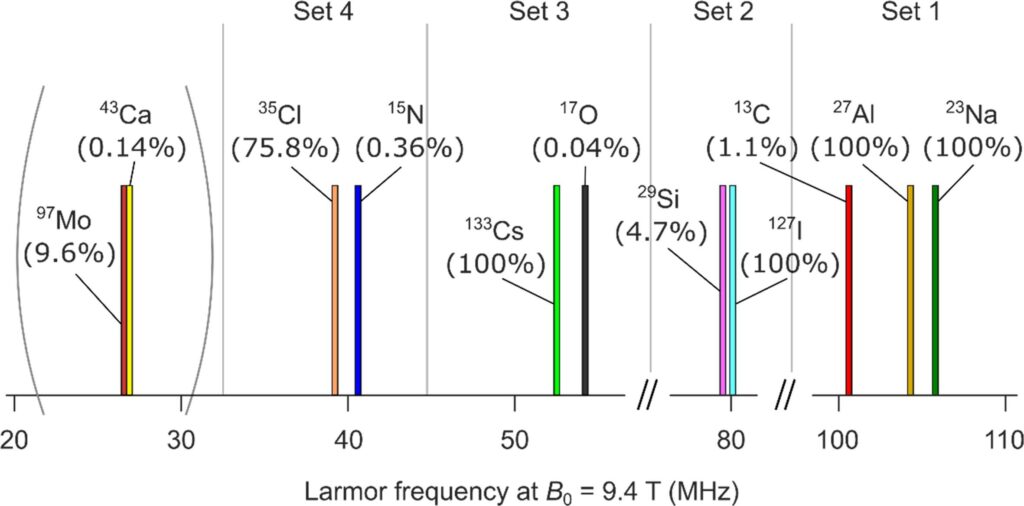
nutation curve by varying the pulse length in a direct single-pulse excitation experiment or in a cross-polarization
magic-angle spinning with a flip-back pulse experiment. From the null points on this curve, one can calculate the
RF field strength. Nevertheless, the practical implementation is not always straightforward or can even be unrealizable,
especially for low-receptivity nuclei owing to their associated low sensitivity. Several researchers used
an approach that involves utilizing other nuclei with more sensitivity but nearly identical Larmor frequencies to
that of the nucleus of interest. However, such an approach has not been a common practice so far. In this work,
we have systematically revisited this approach using 3.2 mm rotors on different sets of nuclei covering a Larmor
frequency range up to 80 MHz. The effect of solid- and solution-states on RF field strength measurements has
been investigated. The detection of each set of nuclei is then carried out with a resonant circuit in the NMR probe
consisting of identical coils and capacitors. Our methodology is illustrated by recording 135/137Ba NMR spectra of
BaTiO3 without prior 135/137Ba RF field calibration.

15/12/2023: Visit to the University of Vienna

December 2023

Giulia was invited by Prof. Dennis Kurzbach to give a seminar at the University of Vienna's Chemistry department. A day full of science in the magnificent Vienna. Thank you Dennis for your hospitality!

Céline and Minh Tu joined the group!

November 2023

Welcome to the group to our PhD students Céline and Minh Tu!

New paper from the group

October 2023

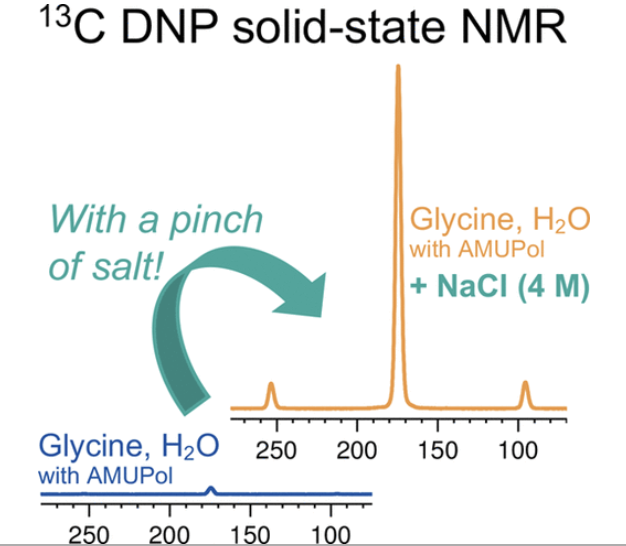
We describe a new sample formulation for MAS DNP, showing that good sensitivity enhancements be obtained in water without glycerol (or other glass forming agents) simply by dissolving
high concentrations of electrolytes (such as NaCl or LiCl), which perturb the otherwise
unavoidable ice crystallization observed upon cooling, thereby reducing PA phase separation
and restoring DNP efficiency.

Polarization Amplification in Dynamic Nuclear Polarization Magic- Angle Spinning Solid-State Nuclear Magnetic Resonance by Solubilizing Traditional Ionic Salts
F. Ferrer, M. Juramy, R. Jabbour, S. Cousin, F. Ziarelli, G. Mollica, P. Thureau, S. Viel.
J. Phys. Chem. Lett., 14 9619 - 9623 (2023) 

Sam and Giulia attended the European Researcher's Night in Marseille

September 2023

Giulia and Sam contributed to the European Researcher's Night in Marseille for the ICR through Speed Searching and Tabou de la Recherche...and met lots of young and old people interested in science.

09/2023 Giulia attended the Alpine Conference in Chamonix

September 2023

Giulia was in Chamonix attending the Alpine Conference in solids where she gave tutorial on Sunday morning on solid state NMR of small molecules, and later during the week a round table presentation of polymorphic transformation in solids detected by MAS DNP. She also officially joined the organizing committee of the Alpine Conference!

Giulia is officially part of the organizing committee of the Alpine Conference 🙂

September 2023

Since the 2023 edition, Giulia is officially a member of the organizing committee of the Alpine Conference! Thank you to Jean-Nicolas and the other members for this exciting opportunity.

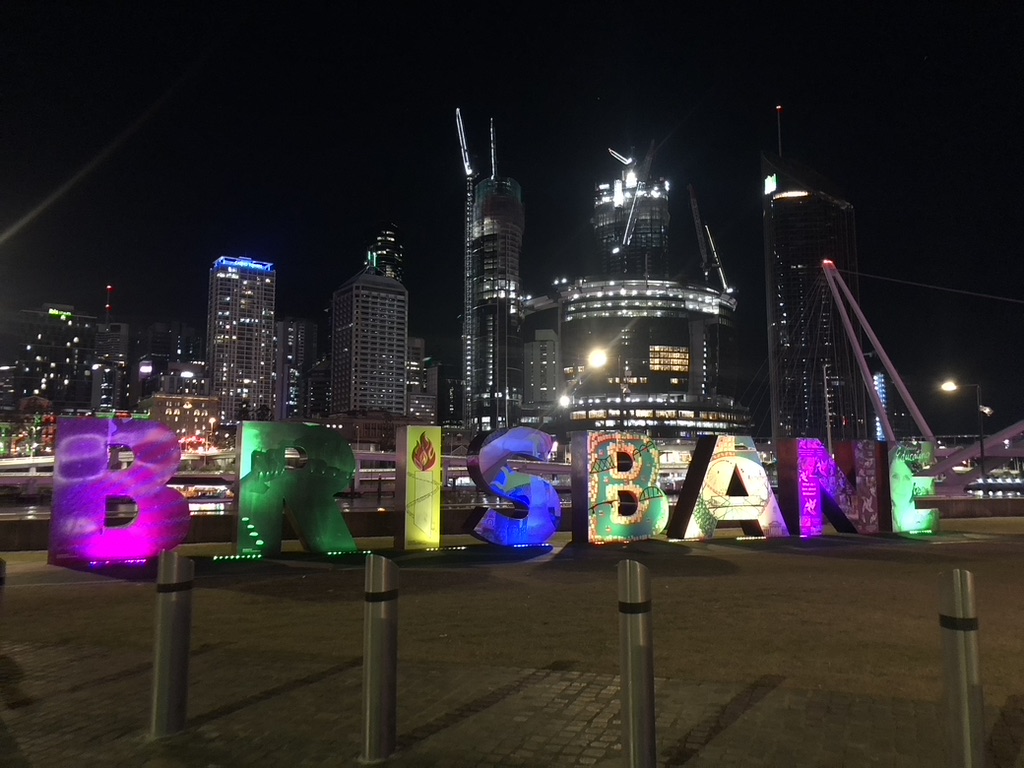
08/2023: Giulia attended ISMAR in Brisbane

August 2023

Giulia attended the ISMAR conference in Brisbane (AUS) where she gave an invited lecture on the study of polymorphic phase formation and transformation using hyperpolarized NMR. Stunning city and location, and excellent conference!

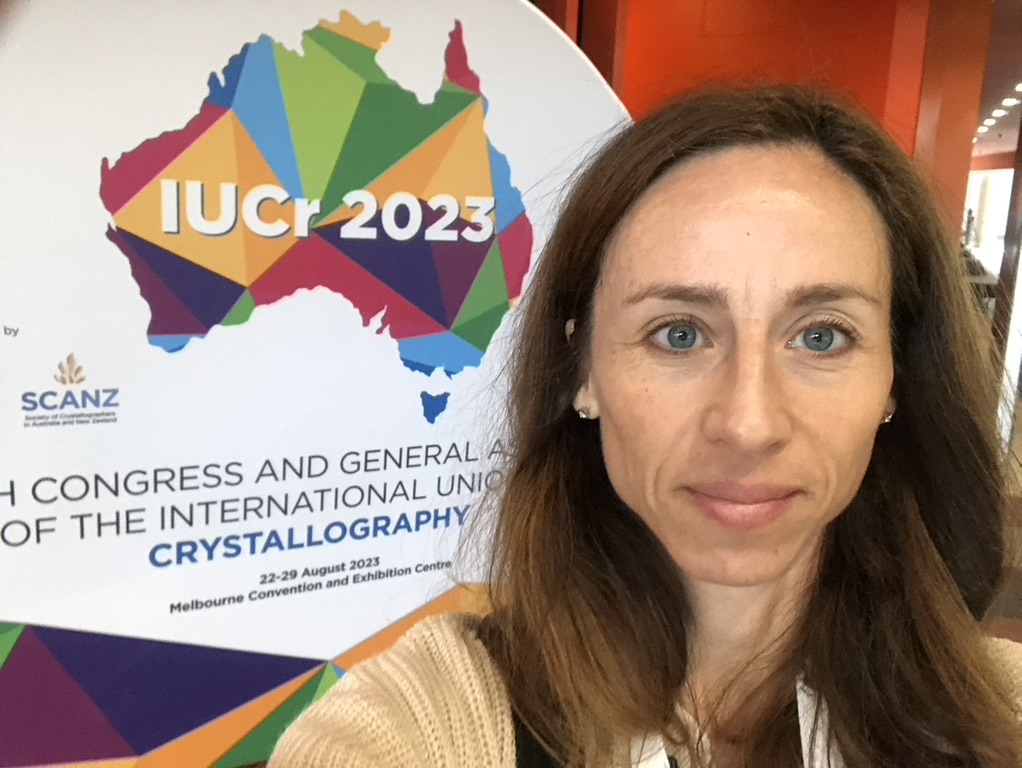
Giulia attended IUCr Conference in Melbourne

August 2023

Giulia gave an invited talk to the IUCr conference in Melbourne. Fantastic meeting and location.

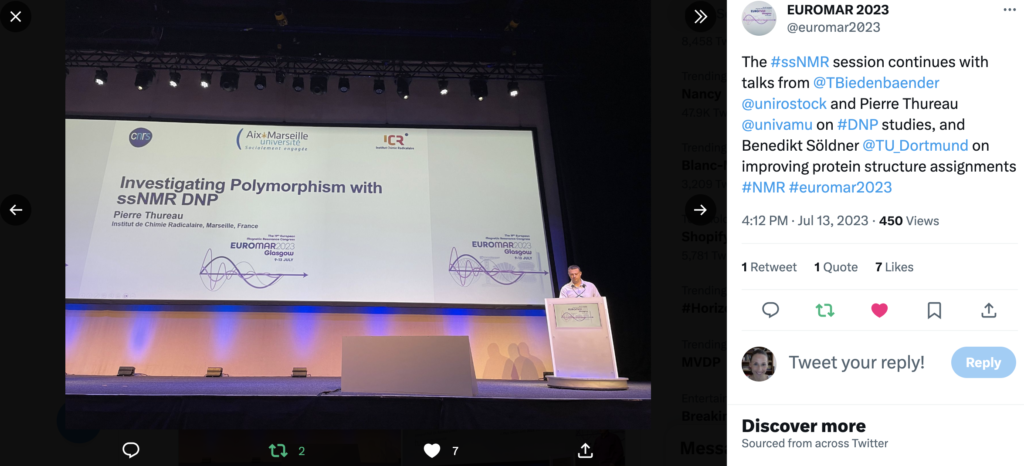
07/2023: Pierre gave a talk at Euromar

July 2023

Pierre was at the Euromar 2023 in Glasgow where he gave a presentation on the use of MAS DNP for the early detection of polymorphic transformations in organic solids.

07/2023: Raffaella Demichelis visiting the lab

July 2023

Prof Raffaella Demichelis from Curtin University in Australia visited the lab. She gave a beautiful talk on "Chemistry at the mineral-fluid interface: an atomic-scale perspective", very interesting topic and results. Thanks Raffaella!

07/2023: Romain's PhD defense

July 2023

Romain successfully defended his PhD! Congratulations to him and many thanks to the committee members Marco Geppi, Loriane Lecoq (rapporteurs), Christian Bonhomme and Danielle Laurencin for the nice discussion.

06/2023: Céline will join the group as a PhD candidate in September!

June 2023

Céline Huart is the recipient of a PhD fellowship funded by the University of Aix-Marseille. Her interdisciplinary project will be carried out between the ICR and the CINaM laboratories in Marseille. She will combine hyperpolarized NMR and microfluidics for studying crystallization in confined environements. Stay tuned for exciting discoveries!

New publication from the group!

June 2023

Congratulations to Samuel for his first publication with us! Great collaboration with Arthur Pinon (Gothenburg), Kenneth D.M. Harris and Colan E. Hughes (Cardiff) to show how far DNP can go to reveal the nanoscale morphology of mixtures of organic polymorphs.

Exploiting solid-state dynamic nuclear polarization NMR spectroscopy to establish the spatial distribution of polymorphic phases in a solid material
S.F. Cousin, C.E. Hughes, F. Ziarelli, S. Viel, G. Mollica*, K.D.M. Harris, A.C. Pinon, P. Thureau
Chemical Science, 14 10121 - 10128 (2023) 

06/2023: Giulia and Samuel attended the GERM conference

June 2023

Giulia and Sam attended the GERM conference on NMR in extreme conditions in Murol. Sam gave a beautiful talk on the study of morphology of organic particles by MAS DNP. We had very lively discussions and lot of fun in a beautiful environment by the lake, surrounded by ancient volcanos.

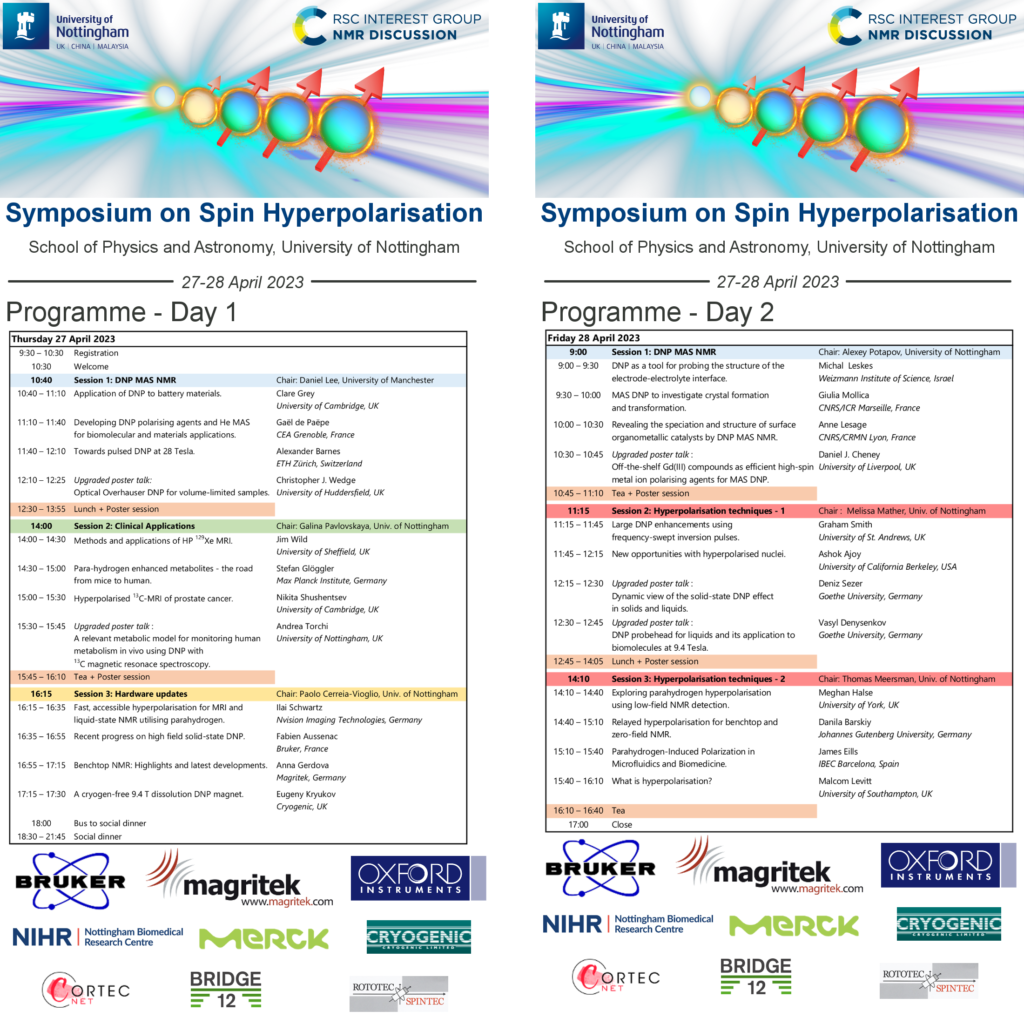
4/2023: Giulia attended the symposium on spin hyperpolarization in Nottingham

April 2023

Giulia gave an invited talk to the spin hyperpolarization symposium organized by the University of Nottingham. Lots of interesting talks and discussions, food for the mind!

11/2023: New paper from the group

November 2022

Congratulations Marie for this new pedagogical review presenting nuclear magnetic resonance strategies for time-resolved atomic-level investigation of crystallization from solution. There is an interesting section on perspectives and future directions in the field. Non specialists are welcome!

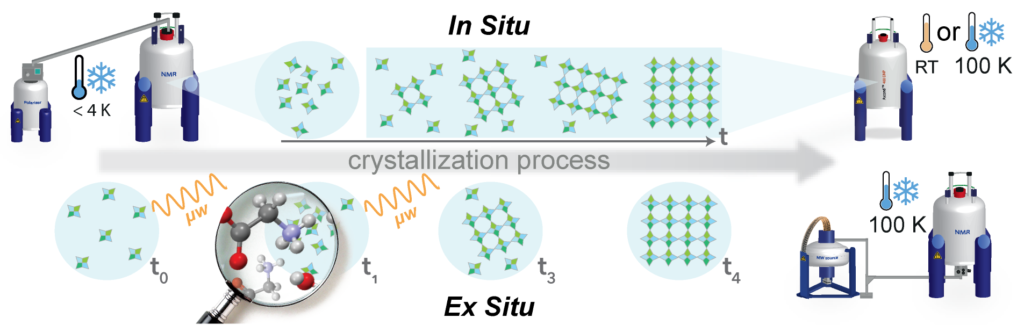
Recent progress in nuclear magnetic resonance strategies for time-resolved atomic-level investigation of crystallization from solution
M. Juramy, G. Mollica*
Current Opinion in Colloid Interface & Science, 63 101663 (2023) 

11/2022: Distinguished Junior Member of the French Chemical Society

November 2022

Another good news! Giulia has been appointed Distinguished Junior Member (Membre Distingué Junior) by the French Chemical Society.

10/2022: Giulia is nominated for the Grand Prix Départemental pour la Recherche en Provence !

October 2022

Great news! Giulia has been nominated for the Grand Prix Départemental pour la Recherche en Provence. The ceremony for the prize attribution will take place on the 2nd of December.

10/2022: New paper from the group

October 2022

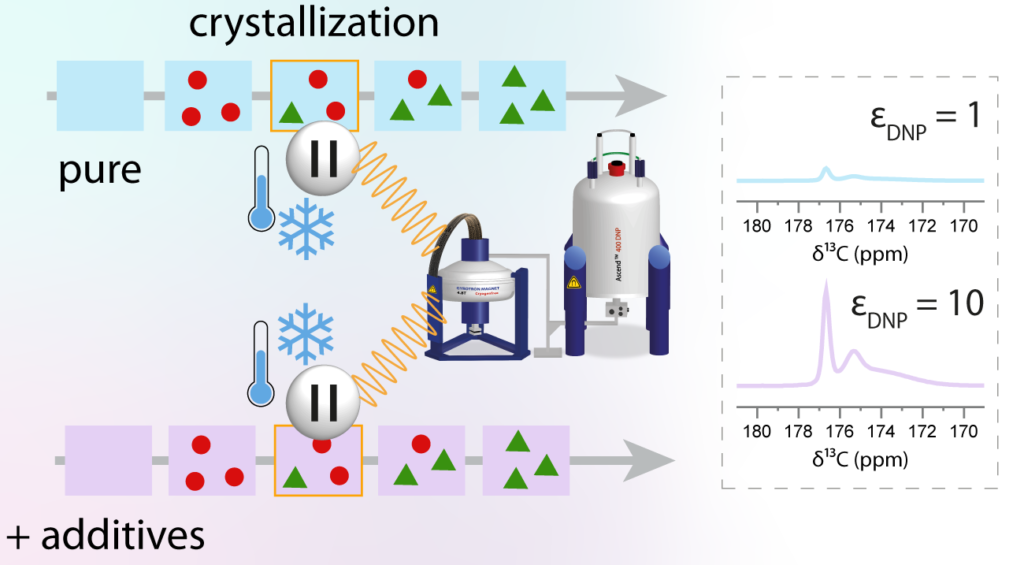
We show that additives that serve crystallization can also enhance the sensitivity of DNP.

Monitoring the influence of additives on the crystallization processes of glycine with dynamic nuclear polarization solid-state NMR
M. Juramy, P. Cerreia-Vioglio, F. Ziarelli, S. Viel, P. Thureau, G. Mollica*
Solid-state Nuclear Magnetic Resonance, 122 101836 (2022) 

10/2022: Samuel Cousin is now a permanent CNRS Researcher!

October 2022

Congrats to Sam for successfully passing his CNRS audition. He is now permanent CNRS Researcher!
All the group wishes him lots of success!

4-8/09/2022: The group attended the Alpine Conference on Magnetic Resonance

September 2022

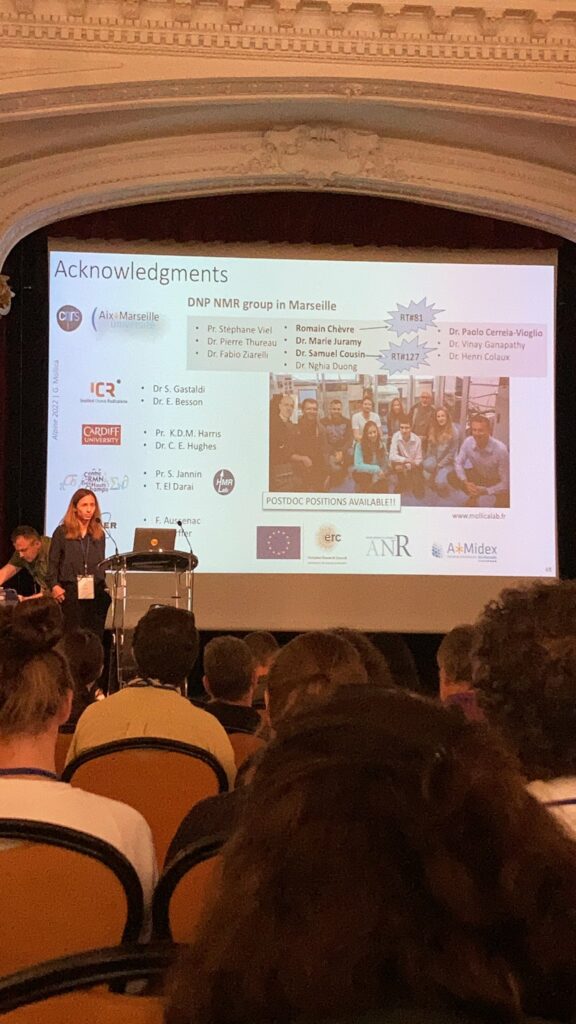
Giulia, Sam and Romain were in Chamonix to attend the Alpine Conference on Magnetic Resonance. Giulia gave a talk on the use of MAS DNP to investigate cristallisation and achieving polymorph selection. Romain and Sam gave two round tables showing recent results on the study of crystallization in inorganic systems and spin diffusion. Awesome conference with very lively formal and informal discussions.

Post-doc in MAS DNP of crystallizing solutions

September 2022

The overall aim of the project is to develop and apply an emerging NMR hyperpolarization technique, namely magic-angle spinning nuclear dynamic polarization (MAS-DNP), to characterize the process of formation of polymorphic organic solids. To apply: https://emploi.cnrs.fr/Offres/CDD/UMR7273-GIUMOL-019/Default.aspx

09/2022: New paper from the group

September 2022

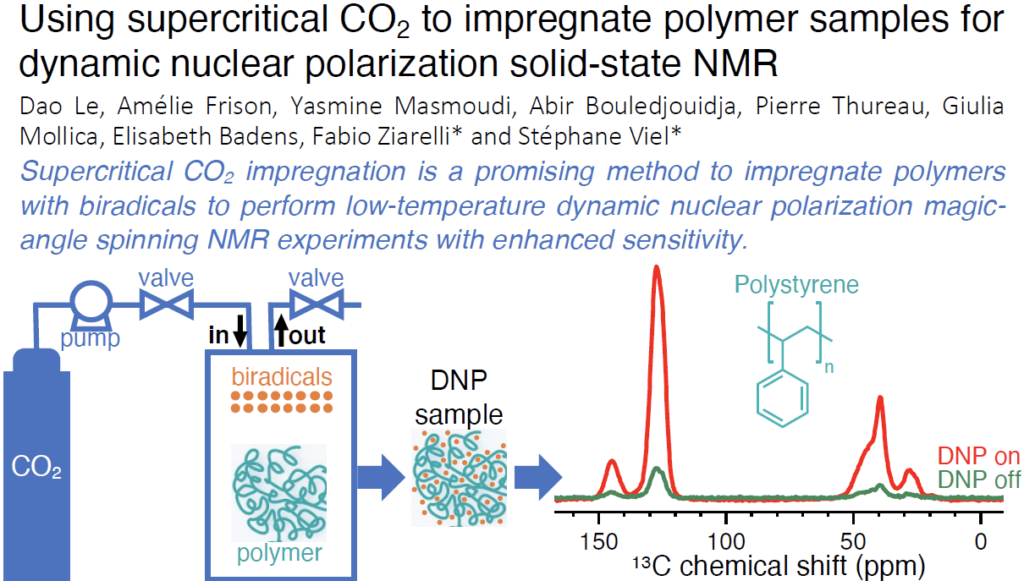
We showed how supercritical CO2 impregnation can be efficiently used to disperse radicals used as polarizing agents for DNP into polymeric materials, enhancing the sensitivity of NMR towards the structural analysis of challenging materials.

Supercritical CO2 impregnation process applied to polymer samples preparation for dynamic nuclear polarization solid-state NMR
D. Le, A. Frison, Y. Masmoudi, A. Bouledjouidja, P. Thureau, G. Mollica, E. Badens, F. Ziarelli, S. Viel
Magnetic Resonance in Chemistry, 60 1171-1177 (2022) 

Supercritical CO2 impregnation process applied to polymer samples preparation for dynamic nuclear polarization solid-state NMR

In this study, supercritical CO2 (scCO2) was used to impregnate polymers with paramagnetic polarizing agents to prepare samples for dynamic nuclear polarization (DNP) solid-state NMR (ssNMR) experiments. As a proof of concept, we impregnated polystyrene samples with bTbK, which stands for bis-TEMPO-bisketal where TEMPO is 2,2,6,6-tetra-methylpiperindin-1-oxyl. Substantial DNP signal enhancements could be measured on DNP-enhanced 1H→13C cross-polarization (CP) magic-angle spinning (MAS) spectra recorded at 9.4 T and ~100 K, reaching a maximum value of 8 in the most favorable case, which appeared comparable or even higher than what is typically obtained on similar systems for former sample preparation methods. These results highlight the potential of scCO2 impregnation as an efficient and possibly versatile methodology to prepare polymer samples for DNP ssNMR investigations.

30/08/2022: PANACEA workshop at EPFL Lausanne

August 2022

Giulia and Romain participated to the PANACEA workshop on ssNMR methods for pharmaceutical formulations hosted by the group of Prof. L. Emsley in EPFL Lausanne. We had a fantastic week of lively discussions between coaches and students in front of the spectrometer and off!

20/07/2022: MoMa Meeting

July 2022

We welcomed the MISOTOP group from the Institut Charles Gerhardt of Montpellier for the third MoMa meeting, where Marie, Samuel and Nghia gave a talk. We had a lot of fun discussing NMR, DNP, isotopic enrichment through mechanochemistry, recoupling methods, spin diffusion and crystallization.

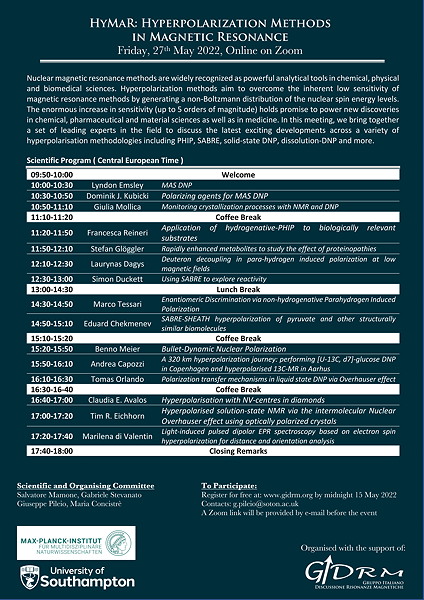
27/05/2022: Giulia gave a talk at HyMar

May 2022

Giulia presented our recent results on the use of MAS DNP for the study of crystallization and selection of polymorph at the online conference HyMar, organized by the Italian discussion group on Magnetic Resonance, GIDRM.

We are happy to have Dr Arthur Pinon with us for two weeks!

May 2022

Dr Arthur Pinon from University of Gothenburg will stay with us for two weeks to work on spin diffusion. Welcome Arthur!

Nghia Duong joined our group as a postdoc, welcome!

March 2022

Nghia is going to work on methodological development in ssNMR and DNP.

Marie's PhD defense

March 2022

Marie successfully defended her PhD on the 4th of March.
Bravo Marie for your hard work, resilience and perseverance, and for a brilliant and living discussion with the jury. Thank you to Anne Lesage and Christian Bonhomme for accepting to review Marie's PhD manuscript and for sharing with us this very happy moment. And thank you to Kenneth Harris and Paul Hogkinson for accepting to be part of the committee.

We are hiring!

January 2022

We are always looking for motivated candidates to join our group. Please contact Giulia Mollica at giulia.mollica@univ-amu.fr for information about currently available positions and projects.

12/2022 New paper form the group

Congratulations to Marie for this very nice review article on NMR and DNP methods for investigating crystallization from solution.

Recent progress in nuclear magnetic resonance strategies for time-resolved atomic-level investigation of crystallization from solution
M. Juramy, G. Mollica*
Current Opinion in Colloid Interface & Science, 63 101663 (2023)